Creating a relaxing home workspace is essential for maintaining productivity and managing work-related stress, especially when working remotely or freelancing. A well-designed workspace not only helps you focus but also promotes a sense of calm that can keep you motivated throughout the day. In this post, we’ll explore practical tips to help you create a soothing and productive home office environment.
Why a Relaxing Workspace Matters
A cluttered or uncomfortable workspace can increase stress and reduce your ability to concentrate. Conversely, a well-arranged, relaxing workspace can:
– Improve focus and reduce distractions
– Lower anxiety and work-related stress
– Boost creativity and problem-solving skills
– Increase overall job satisfaction and motivation
Now let’s dive into actionable steps that can help you transform your home office into a peaceful productivity zone.
Choose the Right Location
Find a Quiet Spot
Select a space in your home with minimal noise and foot traffic. This helps reduce interruptions and keeps your mind clear.
Consider Natural Light
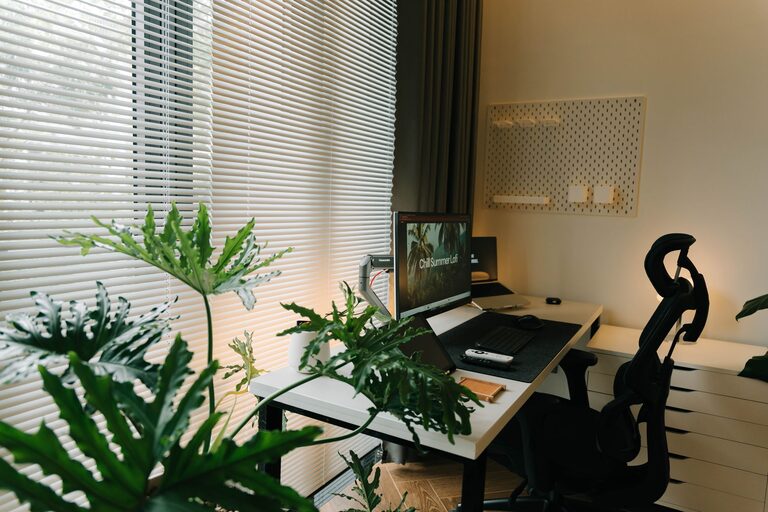
If possible, position your desk near a window. Natural light can lift your mood and reduce eye strain.
Control Lighting
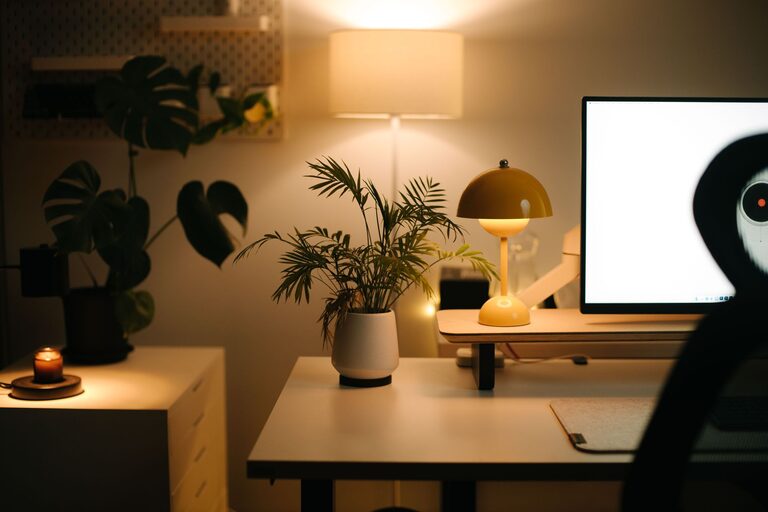
Besides natural light, invest in good quality task lighting that doesn’t cause glare or harsh shadows.
Invest in Comfortable Furniture
Ergonomic Chair
A supportive, adjustable chair prevents back pain and helps maintain good posture over long periods.
Suitable Desk Height
Your desk should allow you to keep your arms and wrists straight when typing to avoid strain.
Add Footrests or Cushions
These can improve comfort and reduce fatigue, especially if you sit for long hours.
Organize to Reduce Clutter
Keep Essentials Within Reach
Store frequently used items close by to minimize distractions and the need to get up often.
Use Storage Solutions
Bins, shelves, and drawer organizers can keep papers and supplies tidy and out of sight.
Declutter Regularly
Set aside a few minutes at the end of each day to tidy your workspace, so it’s ready for the next session.
Personalize Your Space
Add Plants
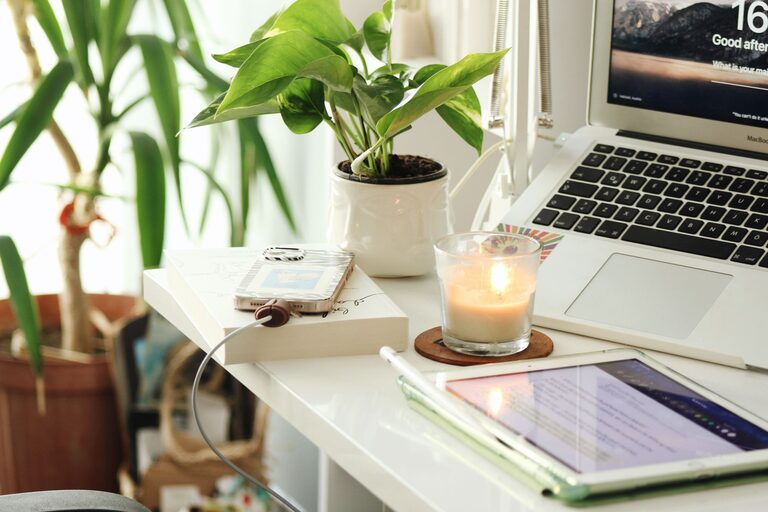
Indoor plants improve air quality and add a touch of nature, creating a calming atmosphere.
Use Calming Colors
Soft hues like blues, greens, or neutrals can help reduce stress and promote concentration.
Display Inspiring Items
Photos, artwork, or motivational quotes can keep you encouraged but avoid overcrowding the space.
Minimize Noise and Distractions
Noise-Canceling Headphones
These can help block out unwanted sounds if you don’t have a fully quiet area.
Sound Machines or Soft Music
Some prefer white noise or gentle background music to maintain focus.
Set Boundaries
Communicate your work hours clearly with family or roommates to minimize interruptions.
Take Breaks and Move
Follow the 20-20-20 Rule
Every 20 minutes, look at something 20 feet away for 20 seconds to reduce eye strain.
Incorporate Stretching
Stand up, stretch, or take short walks periodically to refresh your body and mind.
Create a Separate Relaxation Corner
If space permits, have a small area to step away from your desk for quick mental breaks.
Harness Technology Wisely
Use Productivity Tools
Apps and timers can help you stay organized and maintain focus without feeling overwhelmed.
Manage Screen Time
Adjust screen brightness and use blue light filters in the evening to protect your eyes.
Keep Cables Tidy
Cable organizers and wireless accessories reduce clutter and frustration.
Maintain Healthy Habits
Stay Hydrated
Keep a water bottle nearby to stay refreshed.
Healthy Snacks
Choose nutritious snacks to maintain energy without the crash.
Regular Sleep Schedule
A well-rested mind is far more productive and less stressed.
—
Designing your home workspace with these tips in mind can transform your workday experience. The goal is to create an environment where you feel calm, comfortable, and ready to focus. Remember, small changes can make a big difference, so start with one or two adjustments and build from there. Happy working!